Basic Emotions: The Foundation of Our Inner World

How Minder checks professionals and guides
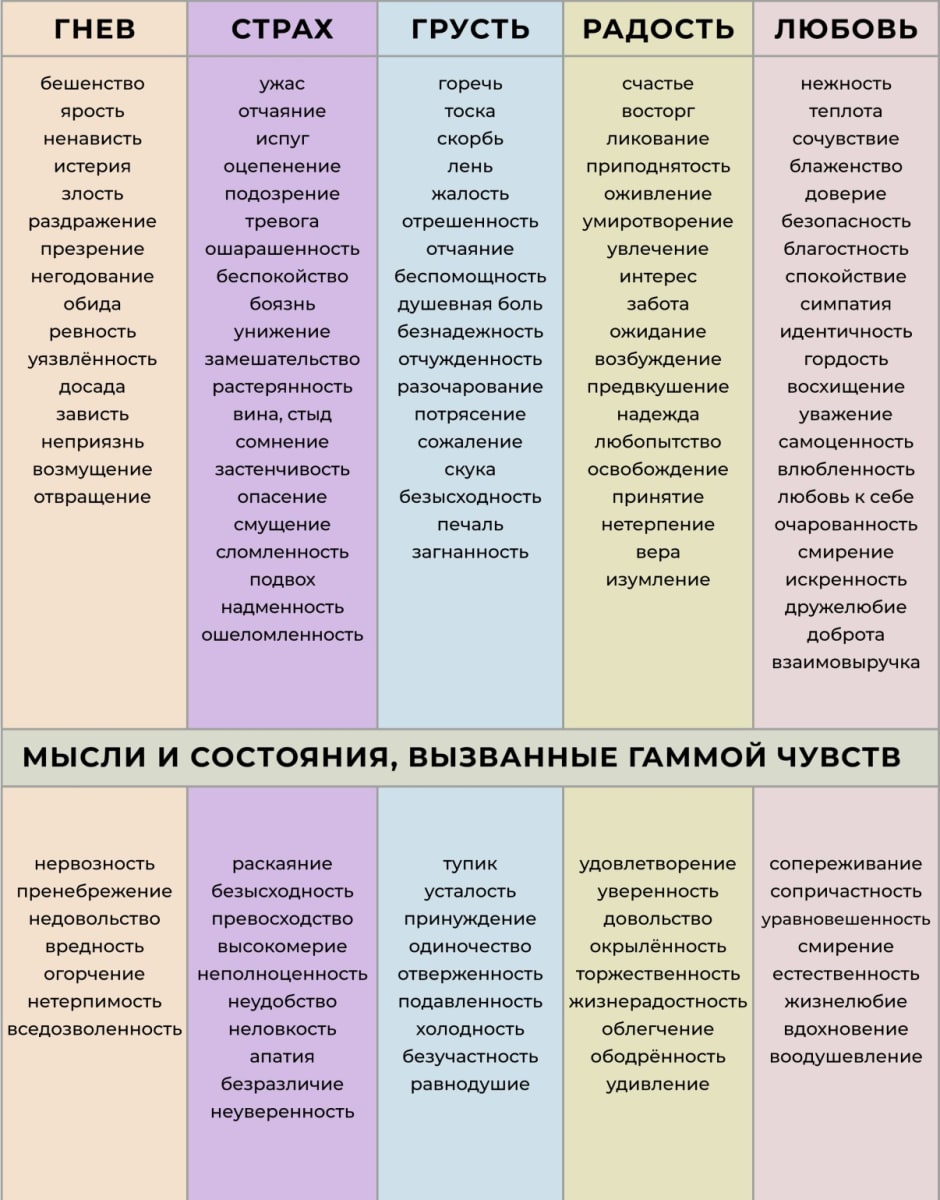
For some, this will feel familiar—an affirmation of what has long been intuitively sensed. For others, it may be a genuine revelation: everything happening within us carries meaning.
We often say: "I feel sad," "I am anxious," "everything is irritating me," or "I feel guilty."
Behind these phrases, however, lie more fundamental emotional responses shared by all human beings, regardless of age, gender, culture, or life experience. These are known as basic emotions. While psychological literature includes varied theoretical models regarding emotion taxonomy rather than a single consensus, recognizing these foundational reactions provides a helpful lens for self-understanding.
What Are Basic Emotions?
Basic emotions are innate emotional responses that help human beings orient themselves quickly in the surrounding world.
They arise automatically and serve an essential adaptive function.
Their purpose is not to complicate life, but rather to help us:
- recognize danger,
- protect personal boundaries,
- connect with other people,
- avoid harmful stimuli,
- notice meaningful changes in our environment.
They function as a kind of internal navigation system endowed by nature.
Which Emotions Are Considered Basic?
The category of basic emotions typically includes:
- joy,
- sadness,
- fear,
- anger,
- disgust,
- surprise.
Some researchers also distinguish shame and guilt as social feelings that play crucial roles in human relationships.
Joy
Joy arises when our needs are met.
It accompanies:
- intimacy,
- achievement,
- safety,
- pleasure,
- a sense of belonging.
Joy tells us: "Something good is happening to me right now."
Sadness
Sadness arises when we face loss. This can involve:
- separation,
- disappointment,
- bereavement or tangible loss,
- the end of an important life chapter.
Sadness helps us slow down, recognize the value of what was lost, and gradually adapt to a new reality.
Fear
- Fear warns us of danger.
- It mobilizes the body and helps us protect ourselves.
- Fear is necessary for survival.
Anger
Anger emerges when:
- our boundaries are crossed,
- we are restricted,
- we are treated unfairly.
It provides the energy required to defend ourselves and initiate change.
Many individuals carry an internal prohibition against feeling anger. In childhood, people often hear messages like: "You must not get angry" or "Being angry is bad."
Disgust
Disgust helps us avoid what is perceived as harmful, contaminated, or unacceptable. It protects us on both physical and psychological levels.
Surprise
Surprise arises when we encounter something new or unexpected. It helps focus our attention quickly and evaluate the situation.
Shame and Guilt
Although these experiences are not always grouped among classical basic emotions, they play a profound role in our social lives.
Shame
Shame is linked to an internal experience of: "Something is inherently wrong with me." No matter what I do, I am "not okay," and the world is "not okay." I plan to write a dedicated post exploring shame in greater detail.
Guilt
Guilt is linked to the recognition: "I did something that contradicts my values."
Why Is It Important to Recognize Basic Emotions?
When people understand which emotions lie at the core of their ongoing experiences, it becomes easier to:
- understand themselves,
- recognize personal needs,
- regulate emotional states,
- build relationships,
- make decisions.
For example:
- behind irritability, anger may be concealed;
- behind pervasive worry, fear may be present;
- behind internal emptiness, unacknowledged sadness may linger.
Emotions Are Not Inherently "Bad"
Every emotion performs its own essential function.
Even experiences we consider unpleasant convey critical information about our environment and inner state.
The problem does not lie within the emotions themselves. Difficulties arise when a person struggles to understand their meaning or fears engaging with them.
A Question for Reflection
Which emotion is hardest for you to accept?
- anger?
- fear?
- sadness?
- joy?
Your answer can reveal a great deal about your personal history and the patterns you developed around your feelings.
If you find it difficult to understand your emotional responses and tune in to yourself, therapy can help restore connection with your inner world. As noted in the NIMH overview of psychotherapies, various clinical modalities exist, and no single therapeutic method works for everyone. If you wish to consult a professional, you can browse verified profiles in the Minder therapist directory, review what to consider when checking therapist qualifications, or read our guide on what to expect during your first session. For details regarding scheduling and individual practitioner policies, consult the Minder client guide.
English and Russian translations were prepared with AI assistance. The original Armenian article and author attribution are retained.
Continue reading
Low self-esteem: when to see a psychologist in Armenia
A practical guide to recognizing self-critical patterns, preparing for a first session, and choosing a psychologist in Armenia.
Questions to Ask a Psychologist Before Your First Session
A compact question list that makes a first psychologist consultation easier to understand and evaluate.
What Does a Psychologist Do? A Guide for People in Armenia
A practical explanation of a psychologist’s work, the first consultation and the questions to ask before choosing care.
Related areas of support
Ready to take the next step?
If this article resonated with you, you can book a direct session with Լուիզա Խաչատրյան to discuss your goals in a safe, confidential space.